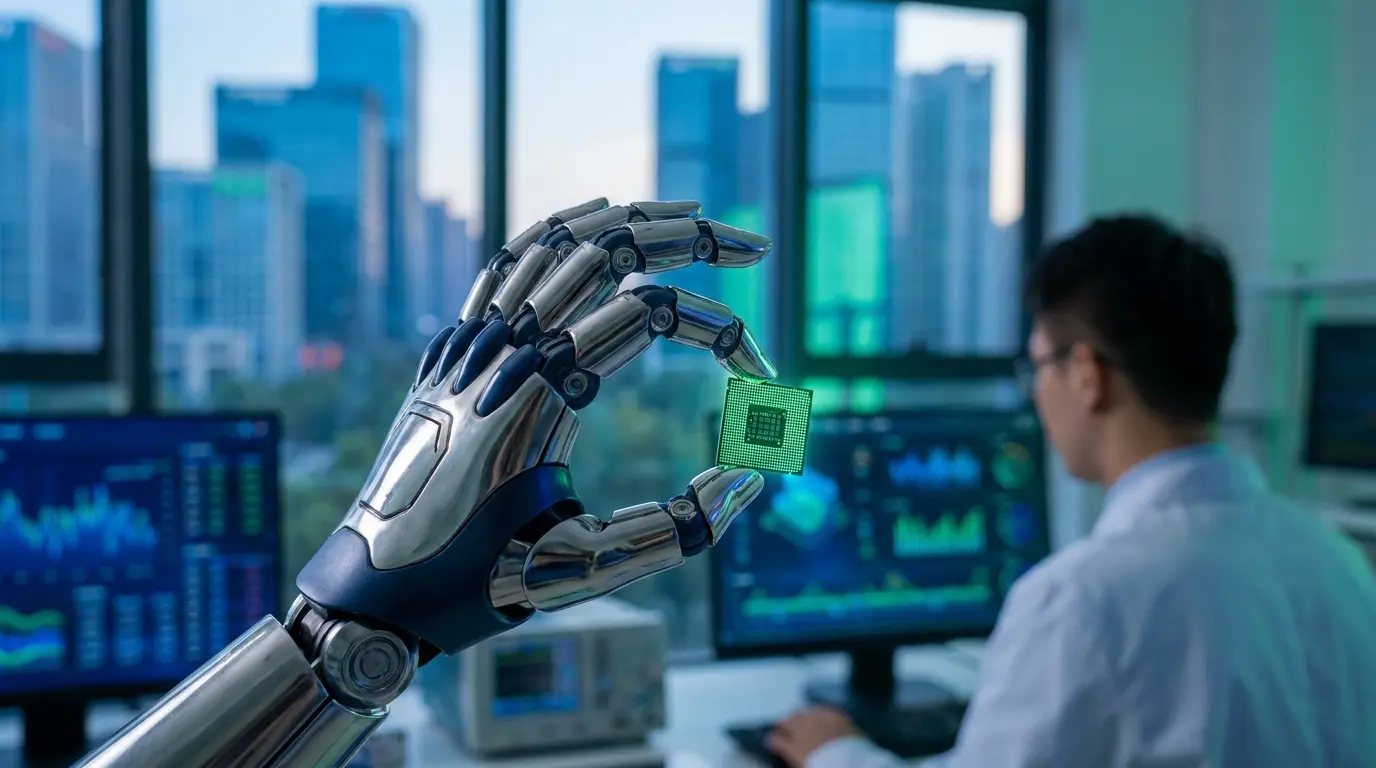

China is rapidly closing the gap in humanoid robotics, specifically focusing on the development of humanoid robot hands China is now prioritizing. The focus has shifted from walking algorithms to something far more intricate, making dexterous robotic hands the primary battleground for automation supremacy. These advancements in Chinese robotics technology represent a significant leap forward in the country’s ability to integrate sophisticated machinery into everyday industrial and domestic environments.
A humanoid robot without functional hands is essentially just a mobile camera, lacking the ability to interact meaningfully with its physical environment. To replace human labor in factories and homes, these machines need human-level robotic dexterity to perform complex and delicate tasks. Chinese engineers are attacking this problem with massive state backing and aggressive private funding to secure a dominant market position in industrial automation.
You can see the results in recent demonstrations across social media and trade shows where humanoid robot hands China produces are showcased. Startups in Shenzhen and Beijing are showing off robotic fingers that thread needles and crack eggs with surprising ease. This article explores how China is dominating the development of humanoid robot hands and what it means for the global economy.
The Chinese government views robotics as a critical pillar of its industrial strategy, aiming to lead the world in automation. Officials recently released a blueprint aiming to mass-produce humanoid robots by 2025, which is an incredibly ambitious goal. This aggressive timeline forces domestic companies to solve the hardest hardware problems immediately to stay competitive in the global market.
Building a robotic hand requires packing dozens of actuators and sensors into a tiny volume, which remains a significant engineering hurdle. Chinese manufacturers are leveraging their massive electronics supply chains to iterate on these designs at breakneck speeds while maintaining low costs. This rapid iteration cycle allows them to test and refine new tactile sensors and joint mechanisms faster than their international counterparts.
Cost reduction remains the ultimate goal for these engineering teams as they strive to make industrial automation accessible. By sourcing micro-motors and tactile sensors locally, Chinese firms drastically cut production expenses and accelerate their time-to-market significantly. This localized supply chain creates a massive competitive advantage over Western rivals who often face higher component and shipping costs.
- China aims to mass-produce humanoid robots by 2025 based on state directives.
- Robotic hands present a much harder mechanical challenge than bipedal walking.
- Localized supply chains give Chinese firms a massive cost advantage over Western competitors.
Top Chinese Robotics Technology: Leading Companies Shaping the Market for Humanoid Robot Hands China
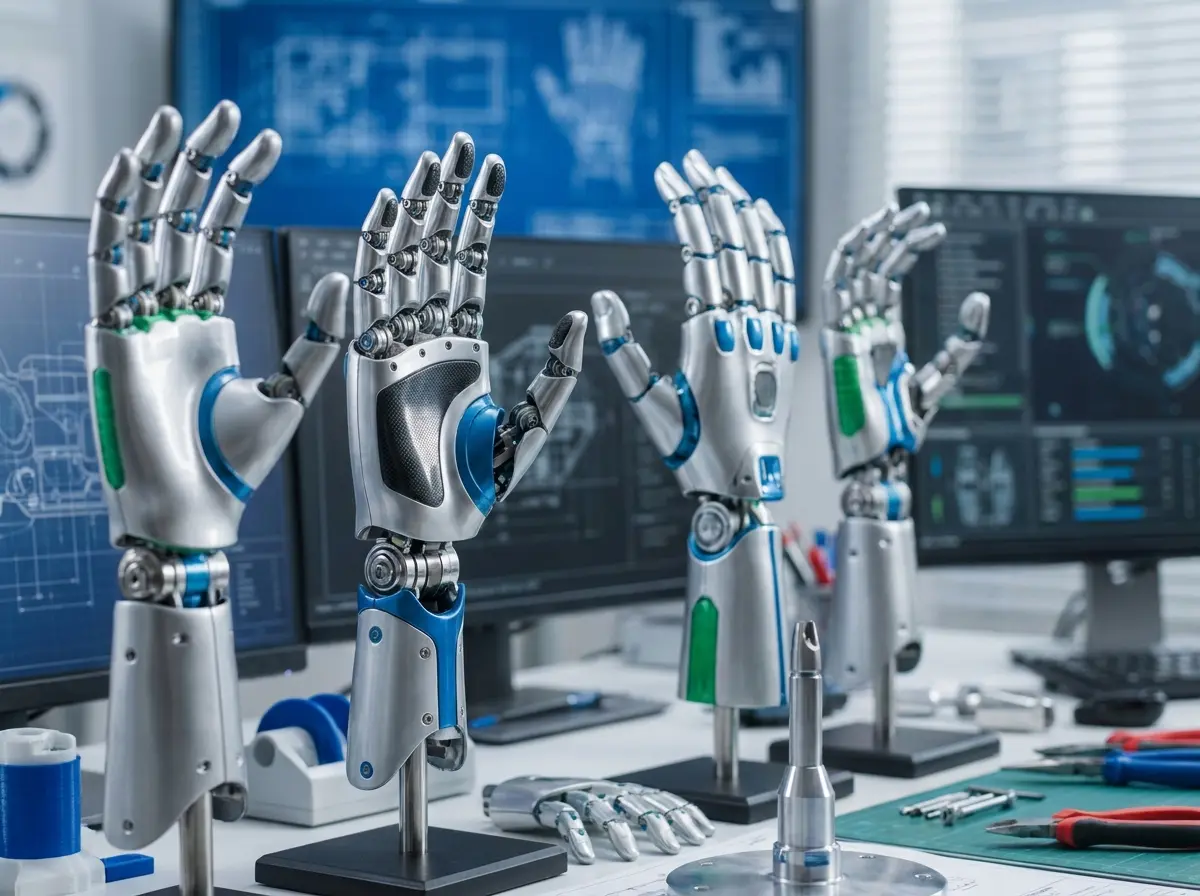
Several distinct players dominate the Chinese humanoid robotics sector, ranging from established industrial giants to nimble startups. These companies are pushing the boundaries of what is possible with humanoid robot hands China is developing for global export. Their approaches to robotic hands vary, but their speed of execution and innovation is uniformly staggering.
Unitree Robotics: Affordable Precision in Humanoid Robot Hands China
Unitree Robotics originally made headlines with its quadruped robot dogs before pivoting to humanoids with the highly anticipated H1 and G1 models. Their proprietary three-fingered hand offers impressive gripping strength at an incredibly low price point, making it a favorite for researchers. This focus on affordability ensures that robotic dexterity is no longer limited to high-budget laboratory environments.
Instead of mimicking the human hand perfectly, Unitree focuses on practical utility and robust mechanical design for real-world applications. Three fingers provide enough dexterity for most industrial tasks while simplifying the control software and reducing potential points of failure. You can learn more about their approach to affordable robotics hardware on IEEE Spectrum.
Monitor Chinese patent filings for micro-actuators and gearboxes. The most critical hardware innovations are happening inside the miniature joints of these robotic fingers.
Astribot: High-Speed Manipulation and Robotic Dexterity
Astribot recently shocked the robotics community with its S1 humanoid, which demonstrated speeds that often exceed human capabilities in controlled tests. Video demonstrations showed the robot performing tasks like pouring wine, flipping sandwiches, and ironing clothes with terrifying precision and fluidity. This level of performance highlights the rapid maturation of humanoid robot hands that China is currently engineering.
The secret lies in their custom-built actuation system and advanced imitation learning algorithms that process environmental data in real-time. Astribot engineers managed to reduce the latency between visual processing and hand movement, creating a seamless interaction with physical objects. This creates a fluid, continuous motion that contrasts sharply with the jerky movements of older, less sophisticated robots.
Fourier Intelligence: Industrial Automation and Tactile Sensing
Fourier Intelligence initially focused on medical rehabilitation exoskeletons before building the GR-1 humanoid to address broader industrial automation needs. Their background in medical devices gives them a deep understanding of biomechanics and the importance of sensitive tactile feedback. The GR-1 features multi-fingered hands capable of delicate manipulation, suitable for healthcare settings and fragile object handling.
Fourier explicitly targets the elderly care market with its current prototypes, where safety and precision are of the utmost importance. A robot in a hospital must grasp fragile objects and interact safely with human patients without causing accidental injury. This requires a level of force control and robotic dexterity that traditional industrial grippers simply cannot achieve.
Next-Gen Humanoid Robot Hands China: Breakthroughs in Actuation, Sensors, and Robotic Dexterity
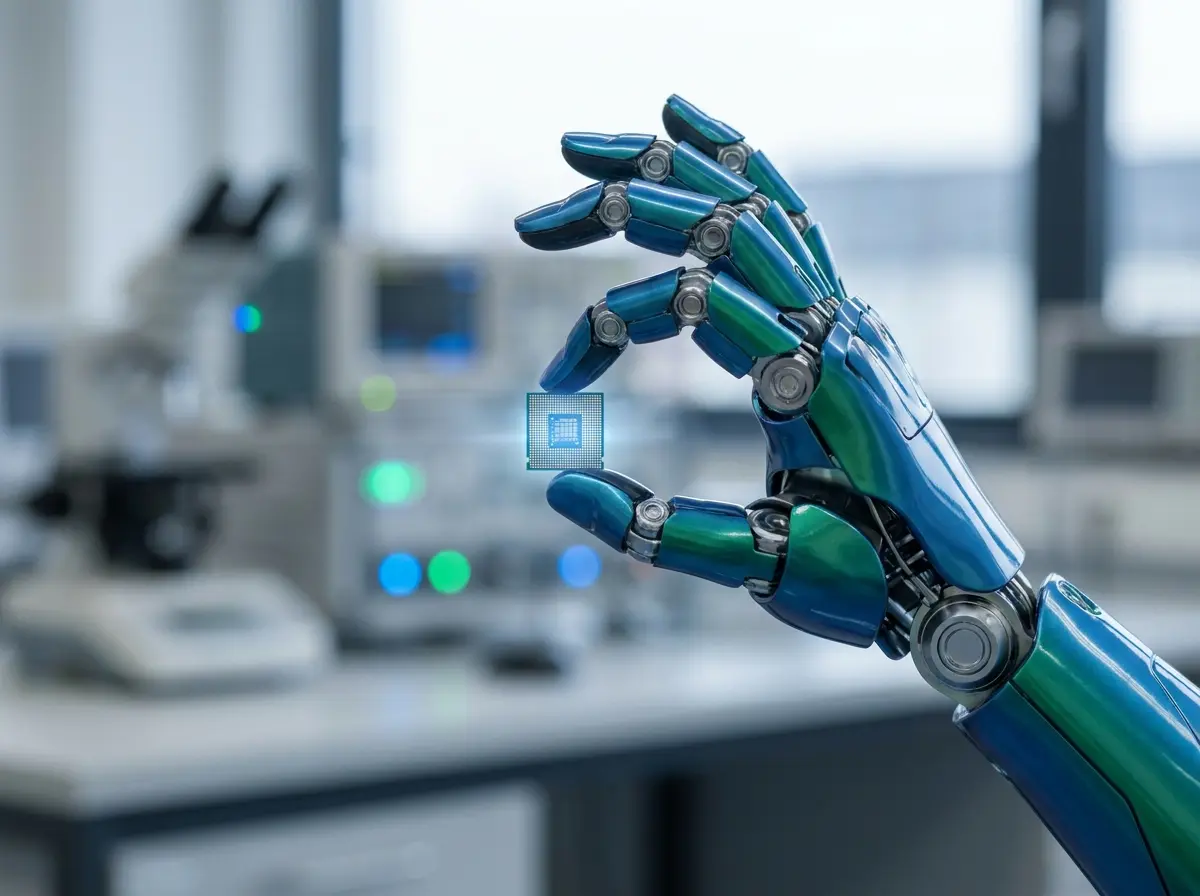
A human hand contains 27 bones and a highly complex network of tendons that allow for an incredible range of motion. Replicating this biology with metal and plastic requires significant engineering compromises and innovative thinking from Chinese researchers. They are pioneering new ways to balance strength, weight, and flexibility to create the next generation of humanoid robot hands that China will deploy.
Tendon-driven mechanisms are becoming the standard for high-end Chinese robotic hands because they allow for a more streamlined design. Motors sit in the forearm and pull cables routed through the fingers, which mimics the way human muscles and tendons function. This keeps the hand lightweight while allowing for powerful gripping forces and a more natural appearance.
Tactile sensing is another area seeing rapid advancement as engineers embed flexible sensor arrays into the silicone fingertips of these robots. According to recent coverage from Reuters, modern tactile sensors can detect slip, pressure, and even surface texture with high accuracy. This sensory data is vital for robots to perform tasks that require a “soft touch” or varying levels of pressure.
Software integration brings all this hardware to life by using complex algorithms to interpret sensory input and execute movements. Chinese companies are training large vision-language-action models to control these dexterous hands in unpredictable real-world environments. The robot looks at an object, predicts the optimal grasp point, and executes the movement autonomously without human intervention.
- Tendon-driven designs move heavy motors to the forearm, keeping hands light and agile.
- Advanced tactile sensors allow robots to feel pressure, slip, and texture.
- Vision-language-action AI models are crucial for translating visual data into physical hand movements.
Global Implications of Humanoid Robot Hands in China for Industrial Automation
The commercialization of cheap, dexterous robotic hands will fundamentally alter global manufacturing and the future of manual labor. Factories currently rely on human workers for tasks requiring fine motor skills that traditional robots simply cannot replicate. Assembly lines for electronics and textiles are particularly vulnerable to this impending wave of industrial automation.
China faces a severe demographic crisis with a rapidly aging workforce, which threatens its long-term economic stability. The government sees humanoid robots as a necessary solution to looming labor shortages in both the manufacturing and service sectors. By deploying these machines domestically, China hopes to maintain its status as the factory of the world while increasing efficiency.
Western companies are watching these developments with growing concern as they struggle to keep pace with Chinese innovation. The International Federation of Robotics (IFR) notes that China already installs more industrial robots than the rest of the world combined. If Chinese firms monopolize cheap humanoid hardware, Western software companies may become entirely dependent on their hardware ecosystems.
You should expect intense geopolitical friction over this technology in the coming years as nations compete for technological supremacy. Export controls on advanced AI chips are already impacting Chinese robotics development, yet the hardware advantage remains significant. However, the hardware advantage in actuators and sensors remains firmly rooted in the manufacturing hubs of Shenzhen.
Frequently Asked Questions
Why is China focusing so heavily on humanoid robot hands?
China is facing a shrinking labor force and an aging population. Developing dexterous robotic hands allows them to automate complex assembly and healthcare tasks currently performed by humans.
How much do Chinese robotic hands cost compared to US models?
Chinese manufacturers leverage localized electronics supply chains to produce hardware at a fraction of the cost. Some Chinese humanoid robots, complete with hands, cost less than $20,000, whereas Western equivalents often exceed $100,000.
What industries will adopt these dexterous robots first?
Electronics manufacturing and automotive assembly lines are the primary early adopters. Healthcare and eldercare facilities will follow closely as tactile safety sensors improve.
Are these robots controlled by AI or human operators?
Most companies use a hybrid approach during development, known as teleoperation, to gather training data. Ultimately, these robots rely on sophisticated AI models to act autonomously in real-world environments.
When will humanoid robots be common in factories?
Pilot programs are already underway in several Chinese automotive plants. Broad commercial adoption is expected between 2025 and 2030 as hardware costs continue to drop.
Conclusion: The Future of Humanoid Robot Hands in China
The race to build the perfect robotic hand is accelerating at an unprecedented pace across the globe. Chinese companies are combining aggressive manufacturing strategies with cutting-edge AI research to lead the charge. Their ability to iterate on complex hardware gives them a distinct edge in this high-stakes global competition.
We are moving past the era of stiff, clumsy mechanical grippers into a new age of robotic dexterity. The next generation of automation will feature machines that interact with our physical environment exactly as we do. Those who control the production of these dexterous hands will largely dictate the future of human labor and industrial output.
Keep a close watch on the developments coming out of Shenzhen and Beijing regarding the humanoid robot hands that China is perfecting. The hardware foundations for the next industrial revolution are being poured right now in these innovation hubs. Your business strategy should account for a world where robotic dexterity is a cheap, accessible commodity for all industries.