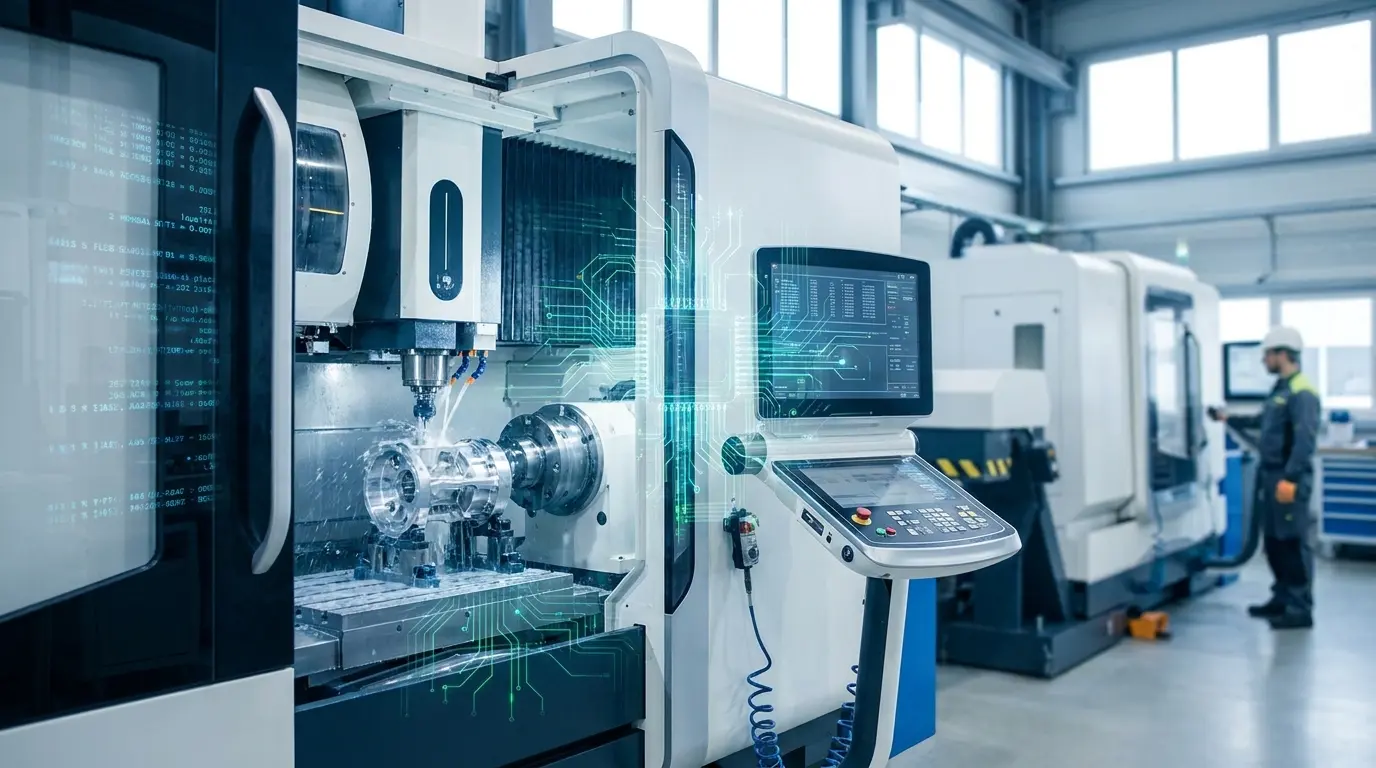

Integrating AI in CNC machining involves using machine learning algorithms and real-time data to automate, optimize, and monitor complex manufacturing processes. This technology predicts tool wear, adjusts cutting parameters on the fly, and prevents catastrophic machine failures by analyzing sensor data. By analyzing sensor data, AI allows machine shops to increase production efficiency and reduce material waste significantly.
Manufacturers face constant pressure to lower costs while maintaining high part quality in an increasingly competitive global market. Traditional CNC programming relies heavily on human expertise and static parameters, but smart manufacturing changes this dynamic by introducing adaptive control. We will explore how algorithms identify inefficiencies and help machine shops maximize their operational uptime through advanced predictive analytics.
Using industrial IoT sensors, algorithms process thousands of data points per second from spindle sensors and vibration monitors. This continuous analysis allows the system to make micro-adjustments that human operators simply cannot perform fast enough. By leveraging these real-time insights, facilities can achieve a level of precision machining that was previously impossible with manual oversight.
Industrial IoT and Predictive Maintenance: Enhancing Machine Health
Unexpected machine breakdowns cost manufacturers millions of dollars in lost productivity each year across the global supply chain. AI algorithms analyze historical performance data and real-time sensor feedback to facilitate predictive maintenance by predicting exactly when a spindle or bearing will fail. You can schedule maintenance during planned downtime instead of reacting to a sudden crash. This proactive approach extends equipment lifespan and keeps production schedules on track.
Precision Machining: AI-Driven Tool Wear Optimization
Cutting tools degrade at unpredictable rates depending on material hardness and coolant flow during the machining process. Machine learning in manufacturing models monitor acoustic emissions and motor load to calculate the exact degradation of an end mill. The AI automatically slows the feed rate or alerts the operator to change the tool before a broken flute ruins parts. This capability dramatically reduces scrap rates and optimizes your CNC machining services budget. Implementing these systems often requires following guidelines from organizations like the Society of Manufacturing Engineers (SME) to establish baseline metrics.
- AI processes real-time sensor data to make micro-adjustments during machining.
- Predictive maintenance algorithms prevent costly unexpected machine breakdowns.
- Acoustic monitoring accurately calculates tool wear to reduce scrap rates.
CNC Automation: Real-World Applications of AI in CNC Machining
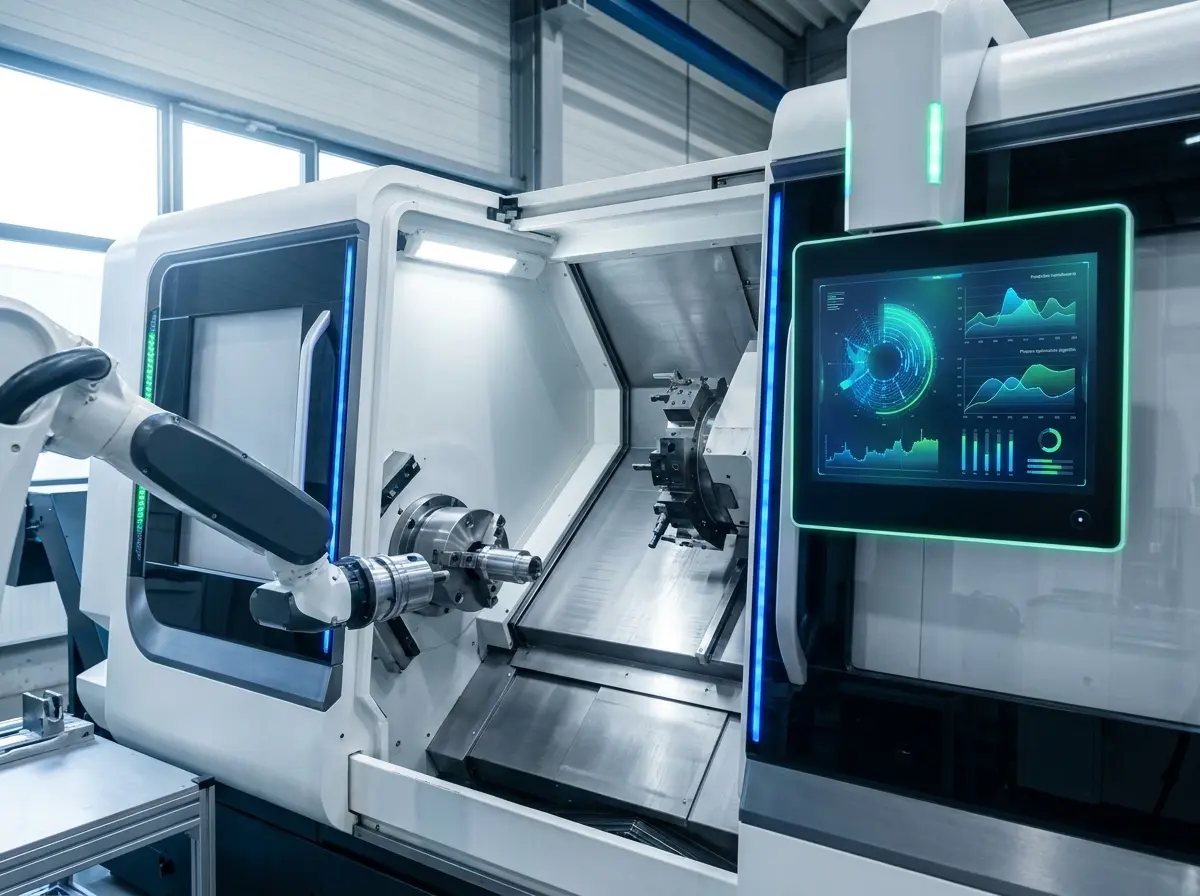
Theoretical benefits matter little if they do not translate to the factory floor for American manufacturers. Machine shops across the United States are currently using artificial intelligence to solve practical production problems. These applications range from initial part programming to final dimensional inspection using advanced CNC automation techniques.
Machine Learning in Manufacturing: Optimizing Automated Toolpath Generation
CAM programmers traditionally spend hours calculating the most efficient way to remove material from a raw billet. Advanced CNC automation software now analyzes CAD models and instantly generates optimized toolpaths based on physics and material science. These algorithms calculate the exact engagement angle and chip load required to clear material as fast as possible. Programmers can focus on complex fixturing while the software handles the repetitive calculations.
Adaptive Control: Implementing Real-Time Quality Control
Inspecting parts after they leave the machine often leads to discovering a whole batch of out-of-tolerance components. Adaptive control systems integrate AI with in-machine probing and optical sensors to measure dimensions while the part is machined. If thermal expansion causes a bore to run small, the system automatically updates the tool offset for the next pass. This closed-loop feedback makes certain every part meets strict dimensional requirements.
Start your AI integration by targeting a single high-value CNC machine rather than outfitting the entire shop floor at once. This targeted approach allows your team to learn the software and prove the return on investment.
Shop Floor Optimization: How AI in CNC Machining Transforms Estimation
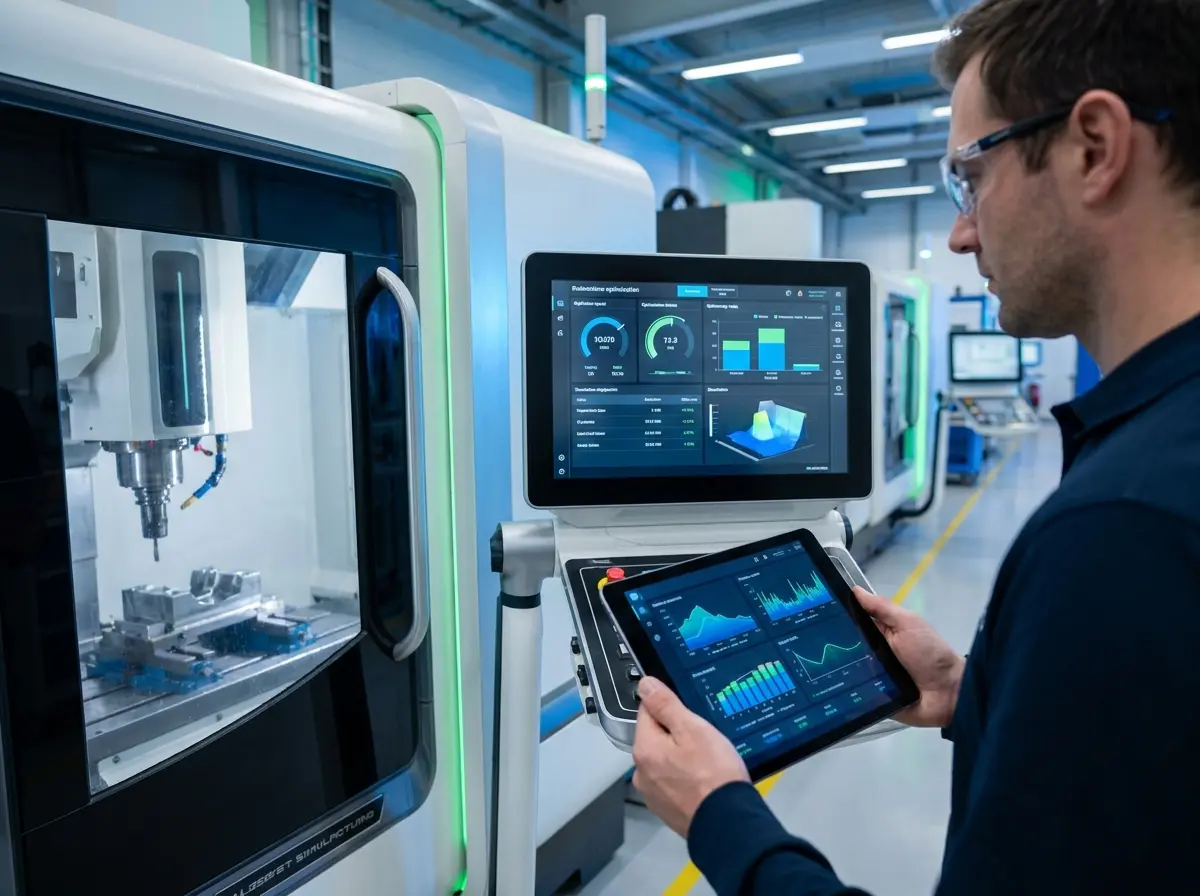
Providing accurate quotes for complex machined parts historically required hours of manual calculation and guesswork. Artificial intelligence streamlines this business process by analyzing 3D CAD models and cross-referencing them with historical production data. This shop floor optimization allows shops to win more bids while protecting their profit margins.
AI-Driven Quoting: Automated Cost Estimation
Machine learning models evaluate part geometry to instantly identify required tooling, setup times, and optimal machining strategies. The software compares the new design against thousands of previously manufactured components to predict cycle times with extreme accuracy. This rapid analysis allows sales teams to return quotes to customers in minutes rather than days. Faster response times directly increase the likelihood of winning lucrative manufacturing contracts.
Smart Logistics: Supply Chain Integration
AI systems also monitor global material markets and local supplier inventories to optimize purchasing decisions and protect profit margins. If aluminum prices fluctuate or a specific alloy becomes scarce, the quoting engine automatically adjusts the final price. This integration protects your machine shop from unexpected material cost increases that would otherwise destroy job profitability. You can maintain a lean inventory while avoiding production delays caused by material shortages.
Digital Transformation: Implementing AI in CNC Machining Facilities
Upgrading a traditional machine shop requires a systematic approach to hardware and software integration for long-term success. You cannot simply install a new program and expect immediate productivity gains on the shop floor. Success requires careful planning, reliable data collection, and proper team training during your digital transformation.
How to Deploy AI on the Shop Floor
Audit Your Current Data Infrastructure
Evaluate your existing CNC controllers and network capabilities to ensure they support high-frequency data export via modern protocols.
Install Edge Computing Sensors
Attach vibration, temperature, and acoustic sensors to older machines that lack built-in diagnostics to feed raw data to servers.
Deploy Machine Learning Software
Partner with an established industrial AI provider to process your sensor data and train models on historical production runs.
Implementation Hurdles: Challenges of Adopting AI in Manufacturing
Transitioning to a smart factory involves significant hurdles that management teams must address to remain competitive. Many facilities struggle with legacy equipment that cannot communicate with modern cloud-based analytics platforms. Overcoming these obstacles requires capital investment and a shift in company culture toward data-driven decision making.
Cybersecurity Risks: Data Security and Network Vulnerabilities
Connecting industrial control systems to external networks creates immediate cybersecurity risks that management must address proactively. Hackers frequently target manufacturing facilities with ransomware because production downtime is incredibly costly for the business. IT departments must isolate machine networks and implement strict access controls to protect proprietary CAD files and production data. Secure cloud infrastructure and encrypted data pipelines are mandatory for any modern operation. Organizations often consult the National Institute of Standards and Technology (NIST) for cybersecurity frameworks specific to manufacturing.
Never connect older CNC controllers directly to the public internet without a hardware firewall. Legacy operating systems contain unpatched vulnerabilities that malicious actors actively exploit.
Workforce Training: Overcoming the Skills Gap
The manufacturing sector already faces a severe shortage of qualified machinists and programmers capable of managing advanced systems. Introducing advanced neural networks requires personnel who understand both metal cutting physics and data science. Companies must invest heavily in workforce training to help their current employees operate these advanced smart manufacturing systems effectively. Partnering with industry groups like the Association for Manufacturing Technology can help build a pipeline of talent capable of managing smart manufacturing tools.
- AI-driven CAM software instantly generates highly optimized cutting paths.
- In-machine probing combined with AI enables automatic tool offset adjustments.
- Successful implementation requires modern data protocols and robust cybersecurity.
Expert Insights: Frequently Asked Questions About AI in CNC Machining
Business owners and production managers often have specific concerns regarding the integration of machine learning in their shops. Here are direct answers to the most common questions about adopting this technology.
How much does it cost to add AI to a CNC machine?
The cost varies significantly based on the existing hardware and the specific AI capabilities required. Basic predictive maintenance sensors and software subscriptions can start around $2,000 per machine annually. Comprehensive enterprise solutions with automated toolpath generation often require a six-figure initial investment.
Can AI completely replace human CNC programmers?
Artificial intelligence will not replace highly skilled programmers in the foreseeable future. The technology acts as a powerful assistant that automates repetitive calculations and optimizes feeds and speeds. Human experts remain essential for complex workholding design, process planning, and troubleshooting unexpected machining errors.
Does AI work with older CNC machines?
Yes, you can retrofit older legacy equipment with aftermarket sensors to enable AI capabilities. Vibration monitors and current transformers collect the necessary operational data without interacting directly with the outdated controller. This raw data travels to an edge computer for analysis and optimization.
What is the difference between AI and traditional adaptive control?
Traditional adaptive control relies on static, pre-programmed rules to slow down a feed rate when spindle load spikes. Artificial intelligence uses machine learning models that continuously improve based on historical data and pattern recognition. AI anticipates problems before they happen rather than just reacting to immediate physical limits.
How does AI improve surface finish quality?
Machine learning algorithms analyze the harmonic frequencies generated during the cutting process. The system detects chatter and vibration instantly, adjusting the spindle RPM to find a stable machining zone. This automatic tuning eliminates chatter marks and produces a superior surface finish on the final part.
Conclusion and Next Steps
Artificial intelligence provides a massive competitive advantage for modern manufacturing facilities looking to increase their efficiency. Machine shops that leverage predictive maintenance and automated optimization produce parts faster and with significantly less waste. This technology transforms raw sensor data into actionable intelligence that drives profitability.
Evaluate your shop floor to identify machines that suffer from frequent tool breakage or unexpected downtime today. Contact an industrial IoT specialist to discuss retrofitting your most critical equipment with smart sensors. Taking action now will position your business to thrive in a highly competitive global manufacturing market.